





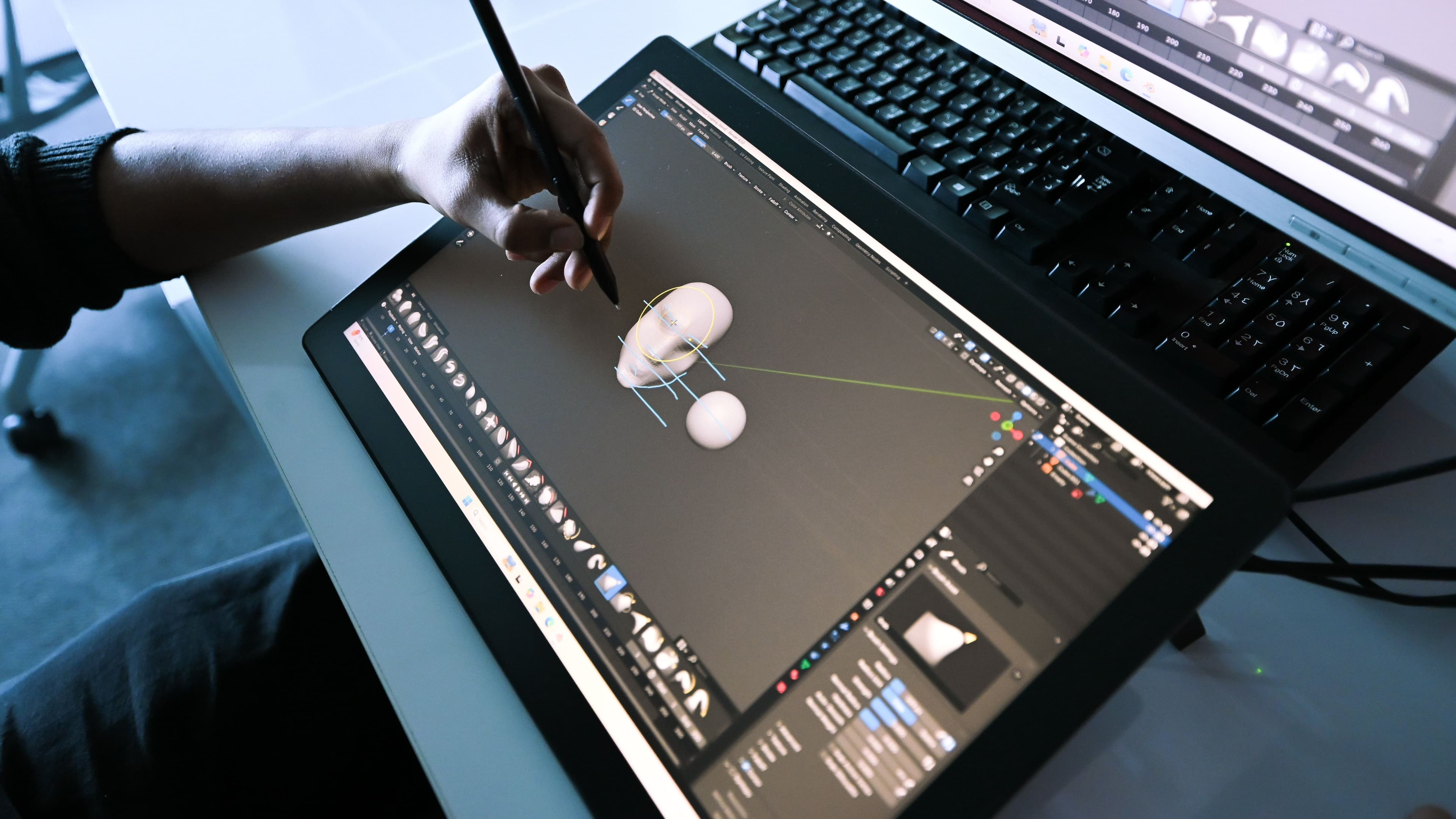



If you are wondering what is graphic design, it is the process of communicating messages and ideas through visual elements such as typography, colour, images, illustrations, icons and layouts. Graphic design is not only about making something look attractive. Good design helps people understand information, recognise brands and interact with content more easily.
Students interested in creative careers can explore programmes at MAHE Dubai, including creative and digital pathways such as the BSc Animation programme.
What Is Graphic Design?
Definition and Meaning of Graphic Design
Graphic design is a form of visual communication that combines text, images, colours, shapes and other elements to communicate a specific message.
If you have ever asked graphic design - what is it?, think of it as the point where creativity meets communication. A designer takes an idea or message and decides how it should look so that an audience can understand and respond to it.
So, what exactly is graphic design? It includes everything from designing a simple poster to developing an entire visual identity for a company or creating the interface of a digital platform.
What Does a Graphic Designer Do?
A graphic designer converts ideas and information into visual communication.
Depending on the project, a designer may create logos, advertisements, brochures, packaging, websites, social media graphics, presentations, illustrations or digital interfaces.
When people ask what does a graphic designer design, the answer can therefore be very broad. Graphic designers work across print, digital media, branding, advertising, publishing, entertainment and technology.
Why Is Graphic Design Important?
Strong visual communication can help people understand information faster and remember it more easily.
For businesses, graphic design supports brand recognition and marketing. For organisations, it can simplify complex messages. For digital products, it can contribute to clearer and more engaging experiences.
This makes graphic design an important part of communication in an increasingly visual and digital world.
Types of Graphic Design
Branding and Visual Identity Design
Branding design helps establish how an organisation looks and feels.
Designers may work on logos, colour palettes, typography, brand guidelines and other visual elements that create a consistent identity.
Digital and Social Media Design
Social platforms have increased the demand for digital visual content.
Graphic designers create posts, campaign visuals, banners, infographics, thumbnails and other content designed for different screens and platforms.
Understanding digital communication is especially useful for students interested in media and creative industries. Explore related academic pathways through the Manipal Institute of Liberal Arts.
Advertising and Marketing Design
Advertising design combines visual communication with marketing objectives.
Designers may work on digital advertisements, campaign materials, event promotions, outdoor advertising, email creatives and branded communication.
It requires an understanding of both the audience and the message a brand wants to communicate.
Publication and Print Design
Graphic design remains important in physical media.
Books, magazines, brochures, reports, catalogues, posters and packaging all require careful decisions about typography, layouts, images and visual hierarchy.
User Interface and Digital Experience Design
Graphic design also contributes to websites, apps and other digital products.
Designers working in digital interfaces think about elements such as buttons, icons, layouts, navigation and visual consistency so information is easy to understand and use.
Principles of Graphic Design
Colour, Typography, and Composition
Colour can influence mood, recognition and attention, while typography affects how written information is presented and understood.
Composition brings these elements together by determining where visual elements should be placed within a design.
Balance, Contrast, and Hierarchy
Balance helps a design feel visually stable. Contrast makes important elements stand out, while hierarchy guides viewers towards the information they should notice first.
These principles help designers organise content rather than simply decorate it.
Alignment and Visual Consistency
Alignment creates order and helps different elements feel connected.
Consistency in typography, colour, spacing and imagery is particularly important in branding, where audiences should be able to recognise the same organisation across different platforms.
Creativity and Visual Storytelling
One of the most important skills in graphic design is being able to communicate a story visually.
A successful design should make people feel, understand or notice something. Designers therefore combine creative thinking with an understanding of audiences, context and communication.
Tools Used in Graphic Design
Graphic Design and Illustration Software
Graphic designers commonly use digital design and illustration software to create logos, layouts, illustrations and other visual assets.
The exact software can change over time, so understanding fundamental design principles is as important as learning individual platforms.
Photo and Image Editing Tools
Photography and image editing are frequently part of design projects.
Designers may crop photographs, adjust lighting, combine images, remove backgrounds or prepare visuals for print and digital platforms.
UI and Digital Design Tools
Digital designers may use interface design and prototyping tools to plan websites and apps.
These platforms make it easier to design layouts, create prototypes and collaborate with other professionals involved in developing digital experiences.
AI Tools for Graphic Design
Artificial intelligence is becoming increasingly common in creative workflows.
AI tools can support tasks such as generating initial ideas, exploring layouts, editing images and producing different visual directions. However, creativity, judgement and an understanding of communication remain important because designers still need to decide what works for a particular audience and purpose.
Skills Required to Become a Graphic Designer
Creativity and Visual Communication
Graphic designers need to generate ideas and translate them into visuals that communicate clearly.
Creativity is important, but so is understanding why a particular design choice works.
Design and Technical Skills
Designers need an understanding of typography, colour, layout, composition and image treatment, alongside the technical skills required to use creative software.
Students interested in building creative and digital capabilities can explore programmes such as BSc Animation at MAHE Dubai.
Branding and Digital Media Skills
Modern designers increasingly work across multiple platforms.
Understanding branding, social media, digital content and audience behaviour can therefore help designers create work that is both visually appealing and commercially relevant.
Communication and Problem-Solving
Design is often a response to a problem.
Designers need to understand a brief, communicate with clients or colleagues, receive feedback and develop solutions within practical constraints.
Career Opportunities in Graphic Design
Graphic Designer and Visual Designer Roles
Graphic designers can work across creative agencies, businesses, media organisations, publishing companies and digital teams.
Visual designers may work more extensively on digital brand experiences, campaigns and online platforms.
Branding and Advertising Careers
Designers interested in branding may work as brand designers, art directors, advertising designers or creative professionals within marketing teams and agencies.
An understanding of business can also be valuable in creative industries. Students can explore the broader academic options offered by Manipal Business School.
UI/UX and Digital Design Careers
Digitalisation has created career opportunities in interface and experience design.
Graphic design fundamentals can provide a foundation for areas such as UI design, digital product design, web design and other user-centred creative roles.
Freelancing and Creative Entrepreneurship
Design also offers opportunities to work independently.
Freelance designers may work with different clients, while others establish studios, creative agencies or digital businesses. Building a portfolio, professional network and business skills can be particularly valuable for this path.
Future Scope of Graphic Design
Impact of AI on Graphic Design
AI is likely to change how designers work rather than simply eliminate the need for designers.
Routine production tasks may become faster, while professionals may spend more time on creative direction, brand thinking, strategy and evaluating AI-generated outputs.
Demand for Digital and Visual Content
Businesses increasingly communicate through websites, apps, social platforms, videos and other digital channels.
This creates continued demand for professionals who can communicate ideas visually across different formats.
Emerging Opportunities in Design and Technology
The boundaries between graphic design, animation, digital media, UI/UX, motion graphics and emerging technologies are becoming increasingly connected.
Students who combine creative ability with digital and technological skills may therefore find opportunities across a wider range of industries.
Students considering a creative degree can explore Campus Life at MAHE Dubai to understand the wider university experience and opportunities available beyond academics.