





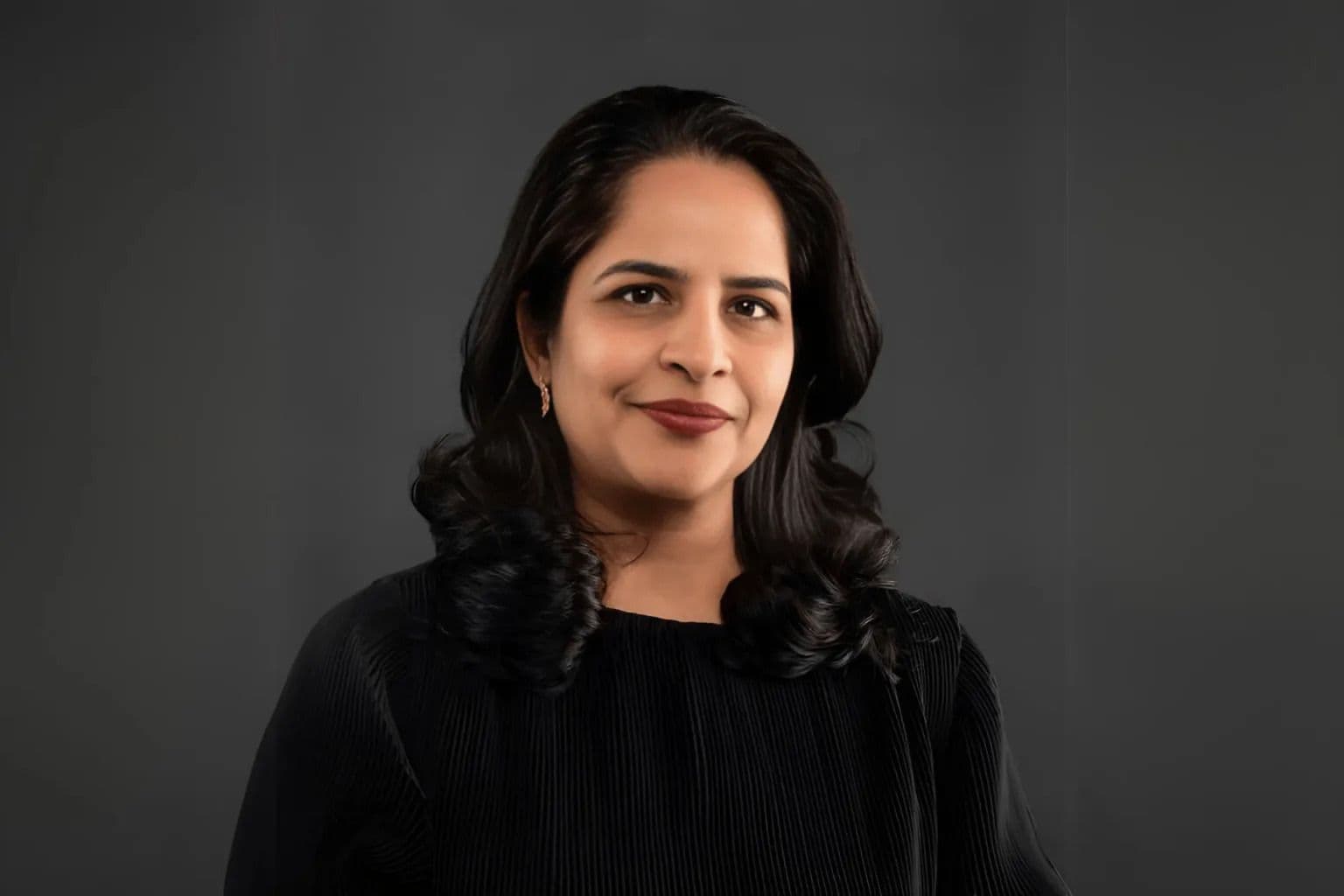
Dr. Bhakti More, Dean of the School of Design & Architecture at Manipal Academy of Higher Education (MAHE), Dubai Campus, has been featured in Fast Company Middle East, a leading publication covering business, technology, innovation and future-focused industry trends.
The article, titled “Can Gen AI Design a Better City - or Just a Faster One?”, explores how generative AI is changing the way cities are planned, designed and developed. It looks at Dubai’s AI-powered urban planning platform and raises an important question for the future of urban development: can AI help create cities that are not only faster to build, but also more resilient, inclusive and human-centred?
As part of the feature, Dr. More shared her expert perspective on how generative AI can support planners and architects in analysing complex urban data, simulating future development scenarios and making evidence-based decisions across infrastructure, housing, mobility and public spaces.
Her comments also connect the role of AI with the goals of the Dubai 2040 Urban Master Plan, which aims to create a more sustainable, connected and people-focused city. In a rapidly growing urban environment, the ability to use data and predictive tools responsibly can help planners understand how decisions made today may shape the future of communities, public spaces and city infrastructure.
The article features insights from multiple regional experts across architecture, urban planning, sustainability and environmental design. Within this wider discussion, Dr. More’s contribution gives MAHE Dubai and the School of Design & Architecture a strong share of voice in an important industry conversation around AI-led urban planning, climate-responsive design and the future of cities.
A key theme highlighted in the article is that AI should not be viewed only as a tool for speed or automation. While generative AI can help process large amounts of data and test multiple planning scenarios, the future of city design must continue to be guided by human judgement, creativity, cultural understanding and environmental responsibility.
Dr. More’s perspective reflects the School of Design & Architecture’s commitment to preparing students for the evolving demands of the design and architecture industries. As technologies such as generative AI, digital twins and data-driven planning become more prominent, future designers and architects will need to combine creative thinking with digital literacy, sustainability awareness and responsible decision-making.
As Dubai continues to position itself as a global hub for innovation, design, sustainability and smart-city development, conversations around responsible AI and urban planning are becoming increasingly significant. Dr. More’s contribution to this article highlights the importance of academic voices in shaping these discussions and supporting the next generation of design professionals.
Read the full article in Fast Company Middle East:
https://fastcompanyme.com/technology/can-gen-ai-design-a-better-city-or-just-a-faster-one/
Explore the School of Design & Architecture at MAHE Dubai:
https://www.manipaldubai.com/programs/schools/school-of-design-and-architecture