





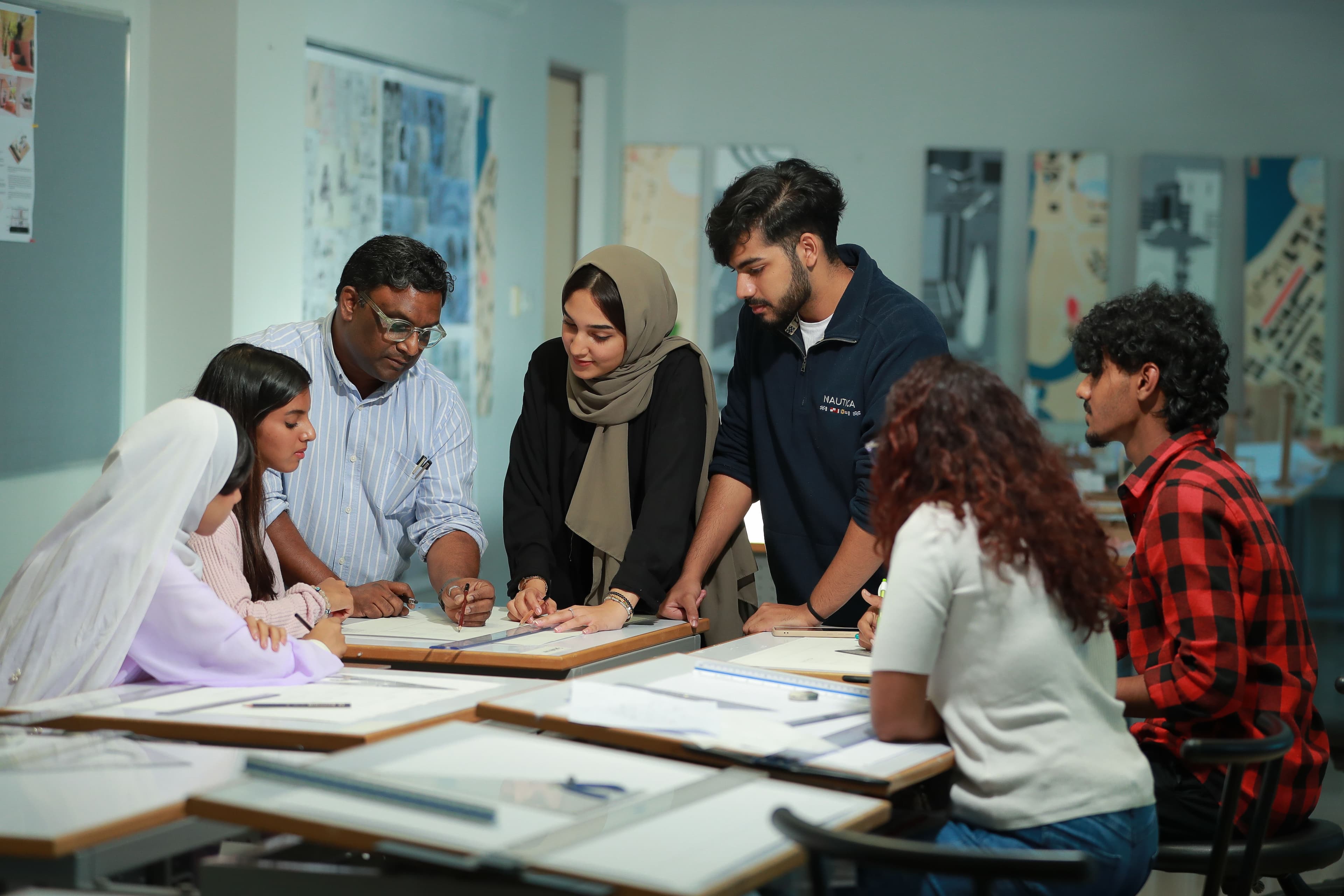


The Bachelor of Architecture (BArch) at Manipal Academy of Higher Education, Dubai, is designed to teach students how to design and build structures effectively. Students learn through a mix of classroom lessons, hands-on projects, internships and visits to construction sites. The program covers important topics like building design, urban planning and how to use design software. It prepares students for various jobs in architecture, from designing buildings to consulting on construction projects.
The curriculum also focuses on how building design affects society and the environment, teaching students to make decisions that are good for both people and the planet. With only limited seats, this well-rounded program ensures graduates are ready to face real-world challenges and make a positive impact in their careers.

Starting Date:

Study Mode:

Program Length:

Application Deadline:
Join us for an exciting opportunity to explore all that Manipal Dubai has to offer at our Open Days event for 2026.
Explore More
The BArch Program is accredited by the Council of Architecture, India; the Royal Institute of British Architects (RIBA); and the Chartered Institute of Architectural Technologists (CIAT).
These accreditations ensure the program meets rigorous international standards, offering students global recognition and enhanced career opportunities. Graduates qualify for CIAT’s Associate membership (ACIAT) and receive exemptions toward the Chartered Architectural Technologist (MCIAT) certification, while also aligning with RIBA’s professional standards for future architectural pathways.

The curriculum is planned with courses that vertically and horizontally integrate with the range of courses that strengthen the Professional Core Courses as a cumulative learning. As an overview of themes, the first three years focus on developing the student’s knowledge base and skill sets, the final two years provides them a platform to explore and expand their attributes on application and professional needs. Themes are intricately woven into each semester's curriculum, facilitating a progressive accumulation of knowledge and skills, thereby preparing students for the challenges and complexities they will encounter in their professional endeavors. Beginning with the first semester as a focus on introduction to most of the basic design and technical courses, they become the basis of learning and exploring their Design capabilities through the Core Architectural Design Course in the next subsequent semester. The cluster of courses in a semester belonging to Architectural Representation, Building Construction and Materials, Building Services, Structures, and Environment group of courses becomes the learning basis to Core Design. This stage lays the groundwork for subsequent years by fostering creativity, and acquainting students with the fundamental principles and concepts inherent to the discipline. From the third year the program offers the bouquet of electives. From the Seventh semester, advanced learners are given an opportunity to opt for a minor specialization from different domains along with their regular B.Arch. degree. A minimum of 12 credits are required to accomplish the ‘Minors in a particular Specialization’. Practical training at ninth semester and the thesis project at ten semester constitutes the culmination of the curriculum, offering students a platform to integrate theoretical knowledge with real-world experience.
Integrating Autodesk training and certification, the BArch program ensures students are proficient in industry-relevant software. This focus on technology and employability skills, coupled with a broad selection of electives, prepares students for a dynamic career in architecture and design.
The BArch program offers a wide range of electives, including Advanced Computer Graphics, Cinematic Design, Graphic Design, Interior Illumination, Creative Photography, Vastuvidya, Architectural Journalism, Disaster Management, Surface Ornamentation, Material Exploration and Fashion Accessories. These electives, provided in collaboration with industry partners, allow students to tailor their education to their interests and career goals, fostering innovation and creativity. The advanced electives towards minor concentrations are offered in 7th, 8th and 10th Semester.



For Bachelors in Architecture program at Manipal Academy of Higher Education, Dubai, the following admission criteria must be met:

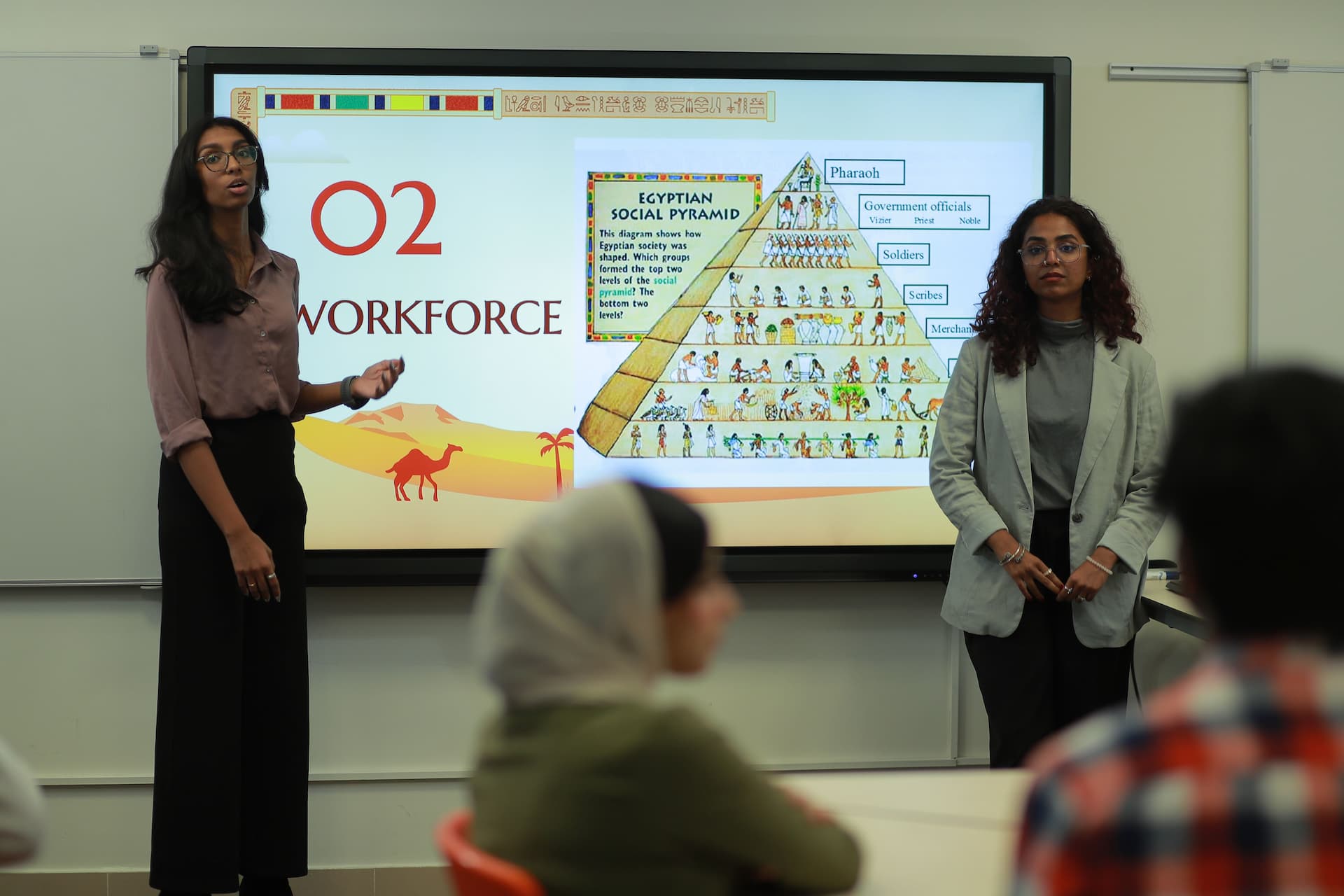

The Bachelor of Architecture program opens many career paths in architecture and design. It offers extensive options for further specialisation or academic pursuits in many fields. This dual focus highlights the program’s versatility, preparing graduates for immediate professional roles and advanced studies in related areas. Some of the potential career opportunities include:
The first year sets a foundational understanding of space and form, exploring the relationship between architecture and its environment. Courses in history and theory expose students to architectural insights from different cultures and eras. Students immerse themselves in the creative process, discovering how light, materials and context influence design.
| Semester 1 | Semester 2 |
|---|---|
| Architectural Design & Detailing - I | Architectural Design & Detailing - II |
| Architectural Graphics | Digital Application I |
| Building Construction & Materials - I | Building Construction & Materials - II |
| Visual Arts and Model Making Studio | Site Planning and Landscape Design Studio |
| Environmental Science | Society, Culture and Built Environment |
| Theory of Architecture | Climate Responsive Design |
This period marks a shift towards more complex design challenges, encouraging students on how to integrate functionality with aesthetic appeal in their projects. Emphasis is placed on understanding the symbiosis between built structures and their surroundings, including the social and environmental aspects. Toolkit with intermediate digital tools, enhancing the ability of students to ideate and express innovative design solutions.
| Semester 3 | Semester 4 |
|---|---|
| Architectural Design & Detailing - III | Architectural Design & Detailing - IV |
| Digital Application II | Digital Application III |
| Building Construction & Materials - III | Building Construction & Materials - IV |
| Geodetic Survey and Levelling | Fundamentals of Sustainable Design |
| Structures I | Structures II |
| History of Architecture I | History of Architecture II |
| Building Services I | Building Services II |
*For information regarding specialisation or elective subjects, refer to the prospectus.
The third year is a transformative phase in which students engage with comprehensive architectural strategies. They are introduced to the dynamics of sustainable and resilient design and consider global and local architectural issues. Projects become more integrative, requiring students to consider multiple aspects of design and execution simultaneously.
| Semester 5 | Semester 6 |
|---|---|
| Architectural Design & Detailing - V | Architectural Design & Detailing - VI |
| Digital Application IV | Working Drawing II |
| Working Drawing I | Research Techniques |
| Structures III | Housing and Economics |
| History of Architecture III | History of Architecture IV |
| Building Services III | Estimation and Specification |
| Professional Elective I | Open Elective I |
*For information regarding specialisation or elective subjects, refer to the prospectus.
The focus shifts towards specialisation, with students delving into areas that align with their emerging interests and career aspirations. This year is characterised by a practical immersion in the field through professional placements or collaborative projects that simulate real-world scenarios. Students articulate their unique design philosophy, supported by advanced digital modelling and simulation techniques.
| Semester 7 | Semester 8 |
|---|---|
| Architectural Design & Detailing - VII | Architectural Design & Detailing - VIII |
| Dissertation | Interior Design & Detailing |
| Urban Design Theory | Settlement Studies |
| Professional Elective- II | Professional Practice and Ethics |
| Project Management | Open Elective II |
In their final year, students undertake a capstone project summarising their educational journey and demonstrating their ability to address complex architectural challenges. This self-directed project encourages a deep inquiry into various subjects. The year is dedicated to refining a personal vision and preparing for professional practice, emphasising leadership, ethics and communication skills.
| Semester 9 | Semester 10 |
|---|---|
| Practical Training | Architectural Design Thesis |
*For information regarding specialisation or elective subjects, refer to the prospectus.
Click here to read more about the evaluation criteria: Bachelor of Architecture (B.Arch) - Admission 2025 | MSAP Manipal

.

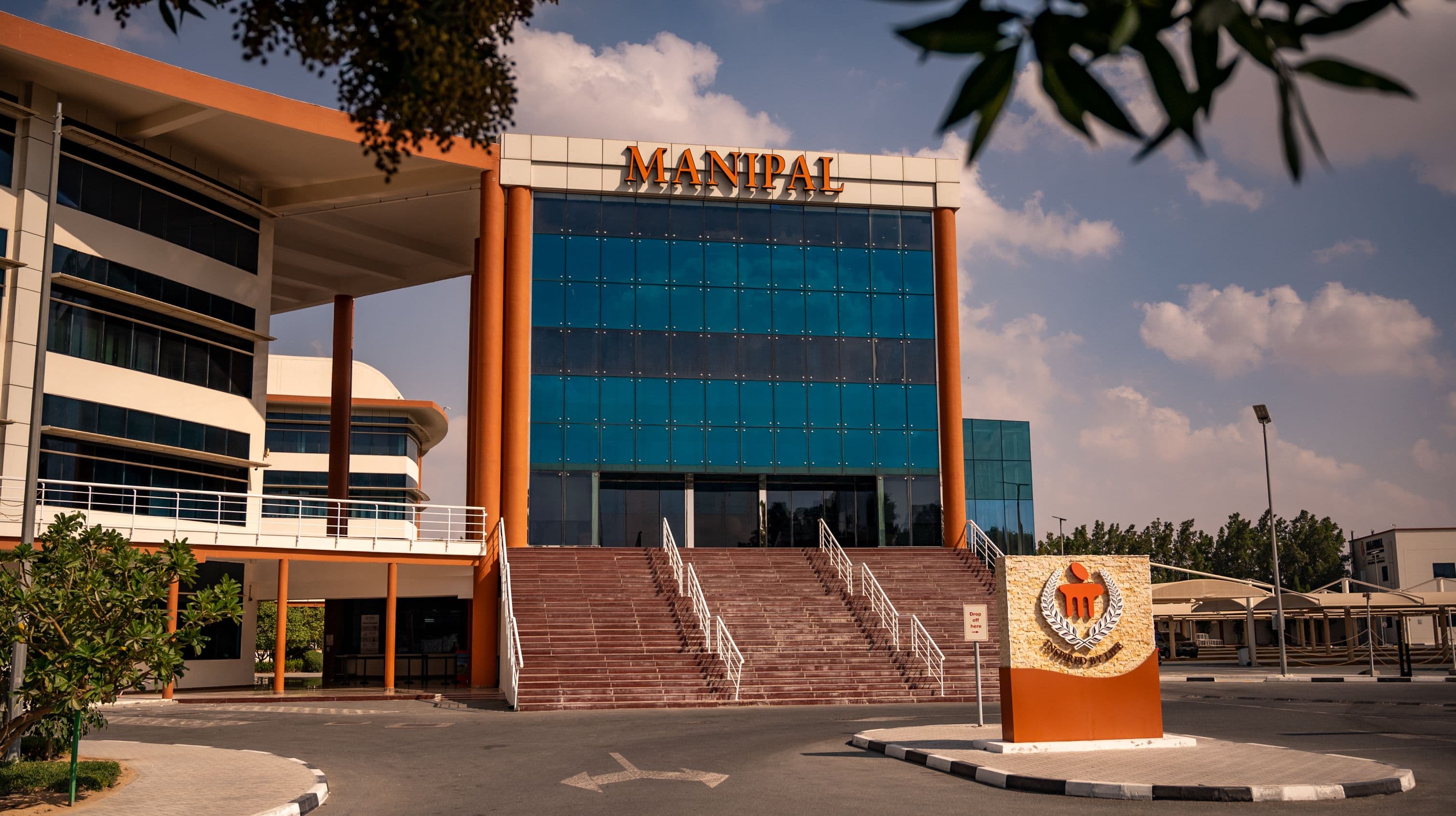
Explore what Manipal Dubai Campus can offer you. From accommodation, study spaces, sports facilities, cafes, restaurants, modern classrooms, advanced labs, and welcoming spaces that inspire learning and creativity.
A Bachelor of Architecture is a professional undergraduate degree focused on architectural design, building technology, urban planning, sustainability, and construction systems. A Bachelor of Architecture in Dubai prepares students for careers in the built environment sector.
The B Arch course duration is typically five years, combining studio-based design work, technical coursework, site visits, and practical training components.
The curriculum usually includes architectural design studios, building materials, structural systems, environmental design, urban planning, history of architecture, and digital modeling tools.
Dubai’s continuous urban development, smart city initiatives, and infrastructure expansion create opportunities in architectural firms, real estate development, and urban planning consultancies.
Students develop creative design thinking, spatial planning skills, technical drafting ability, sustainability awareness, project coordination competence, and proficiency in architectural software.
Architecture remains relevant in the UAE due to large-scale infrastructure projects, commercial development, and residential expansion across Dubai and other emirates.
Consider accreditation, studio infrastructure, faculty experience, portfolio development support, and exposure to live projects. Among accredited institutions, Manipal University Dubai offers structured architectural education aligned with regional needs.
Fees vary depending on studio facilities, lab access, academic resources, and project-based learning requirements. Additional costs may include model-making and design materials.
Many Bachelor of Architecture programs integrate internships or practical training to provide exposure to professional architectural practices.
Yes, graduates can pursue master’s programs in architecture, urban design, sustainable design, or related specializations.
Manipal University Dubai Bachelor of Architecture emphasizes studio learning, industry-oriented projects, and curriculum aligned with UAE construction and design standards.
Yes, studying architecture in Dubai allows students from GCC countries to gain exposure to modern architectural developments, large-scale infrastructure projects, and innovative urban design practices in the region.
Yes, students from South Africa can apply to the Bachelor of Architecture program at Manipal Academy of Higher Education Dubai by meeting the admission requirements and submitting their academic credentials during the application process.
Applicants must meet academic eligibility requirements, submit necessary documents, and complete the university’s admission evaluation process.
The Registration Fees + Application Fees (inclusive of 5% VAT) for the Bachelor of Architecture program are AED 3,150. The Annual Tuition Fee (inclusive of 5% VAT) is AED 57,750.
Graduates can explore roles in architectural firms, design consultancies, real estate development companies, and planning organizations across the UAE.
Yes, the Bachelor of Architecture program at Manipal Academy of Higher Education Dubai welcomes students from India, Europe, Southeast Asia, and Africa, allowing learners to study architecture within a multicultural academic environment.
Students gain creative visualization ability, technical drafting skills, 3D modeling proficiency, client communication competence, and project management awareness.